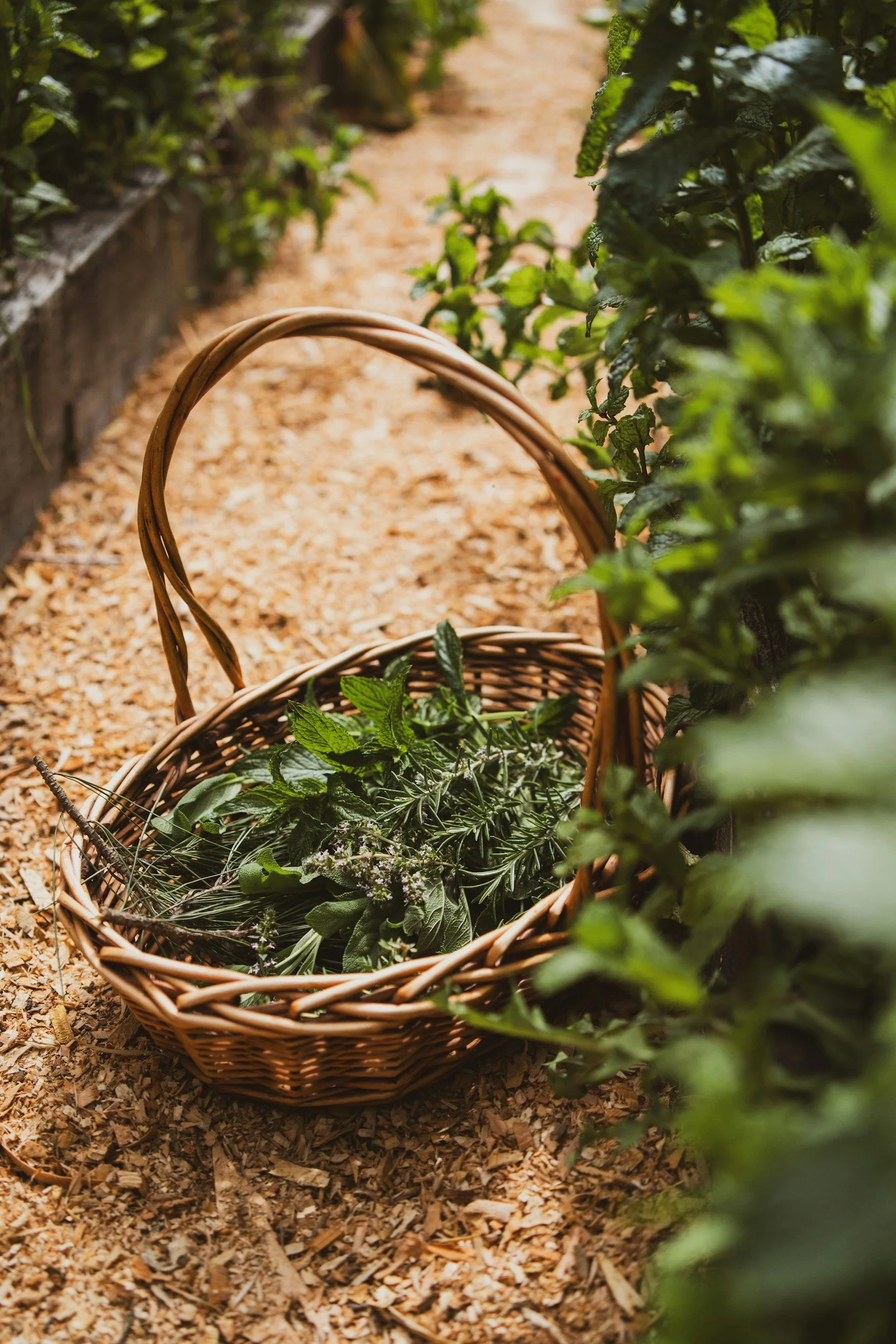
There is something deeply comforting about the traditions of herbal medicine. Perhaps it is the familiarity of a cup of chamomile tea, the fragrance of lemon balm growing in a garden, or the sight of dried herbs carefully arranged on the shelves of an old apothecary. These simple things connect us to generations of people who understood that plants could become meaningful companions in the care of everyday health.
My love for traditional Western herbalism grew from both curiosity and necessity. Having entered surgical menopause at just 23 years old, I have spent more than three decades learning how to care for a body experiencing changes that most women don't encounter until much later in life. Over the years, I became increasingly interested in the ways traditional herbalists understood the body, observed patterns, and selected plants according to the needs of the individual.
What continues to fascinate me is that traditional herbalism has never been merely about finding an herb for a symptom. At its best, it is an approach to understanding the person who is experiencing that symptom.
This distinction becomes especially important during menopause. Two women may both experience hot flashes, yet the broader picture of their health may be remarkably different. One may feel overheated, restless, and unable to sleep, while another experiences episodes of warmth alongside fatigue, digestive discomfort, and a tendency to feel cold throughout the day. Their symptoms may share a name, but their constitutions, daily habits, and accompanying patterns are not necessarily the same.
Traditional Western clinical herbalism considers these differences through constitutional assessment and the observation of tissue states. Herbalists have historically described patterns involving heat and cold, dryness and moisture, tension and relaxation, and stimulation and sluggishness. These concepts are part of a traditional system of observation rather than medical diagnoses, but they provide a useful framework for considering how an individual experiences her overall well-being.
For example, a woman experiencing dryness of the skin, mouth, and digestive tract may benefit from a different botanical strategy than someone whose primary concerns involve heaviness, congestion, or sluggish digestion. The choice of herbs may also be influenced by her sleep, appetite, emotional state, medications, and general vitality. Rather than asking only which plants are traditionally associated with menopause, I want to understand why a particular preparation might be appropriate for this particular woman.
Several familiar Western herbs illustrate the richness of this approach. Sage (Salvia officinalis) has a long history of traditional use for excessive perspiration and digestive concerns. Lemon balm (Melissa officinalis) has traditionally been valued for nervous tension, digestive discomfort, and restlessness. Chamomile (Matricaria chamomilla) is another familiar plant whose traditional uses extend beyond relaxation to include digestive support. Milky oats (Avena sativa) have been valued by Western herbalists as a nourishing preparation for periods of nervous-system depletion.
Each of these plants has its own botanical characteristics, traditional actions, energetics, and preparation methods. Contemporary research provides varying levels of support for specific uses, and some traditional applications have been studied much more thoroughly than others. Understanding the difference between historical use, practitioner experience, and clinical evidence is an important part of responsible herbal education.
Preparation also matters. An herbal infusion is not necessarily equivalent to a tincture, concentrated extract, or capsule. The plant part selected, method of extraction, concentration, and amount used can all influence the resulting preparation. Even familiar herbs may be inappropriate for certain individuals because of allergies, medication interactions, or particular health conditions.
This is one reason I value the thoughtful, individualized nature of clinical herbalism. It encourages us to slow down, ask better questions, and recognize that a botanical preparation should fit the person rather than expecting the person to fit a generic formula.
I also believe herbal medicine is most meaningful when it becomes part of a broader approach to living well. Menopause is not experienced in isolation from the rest of life. Our nourishment, sleep, movement, relationships, stress levels, and daily routines all influence how we feel. A thoughtfully chosen herbal preparation may offer support, but it cannot replace the foundations of a nourishing and sustainable lifestyle.
At Bella Zen, my approach brings together traditional Western herbalism, Mediterranean nutrition, restorative movement, and the principles of human flourishing. I want women to understand not only which plants have traditionally been used during menopause, but also how botanical medicine fits within a thoughtful approach to caring for the whole person.
My hope is to help women reconnect with the wisdom of plants while developing the knowledge and discernment to use them responsibly. Traditional herbalism offers us a beautiful heritage, but its greatest value is not simply found in preserving old remedies. It is found in understanding how that knowledge can be applied thoughtfully to the needs of women today.
If you're interested in exploring traditional botanical wellness, I invite you to learn more about my clinical herbalism consultations and visit the Menopause Herbarium, where we'll explore individual medicinal plants, their histories, traditional uses, and contemporary research.
