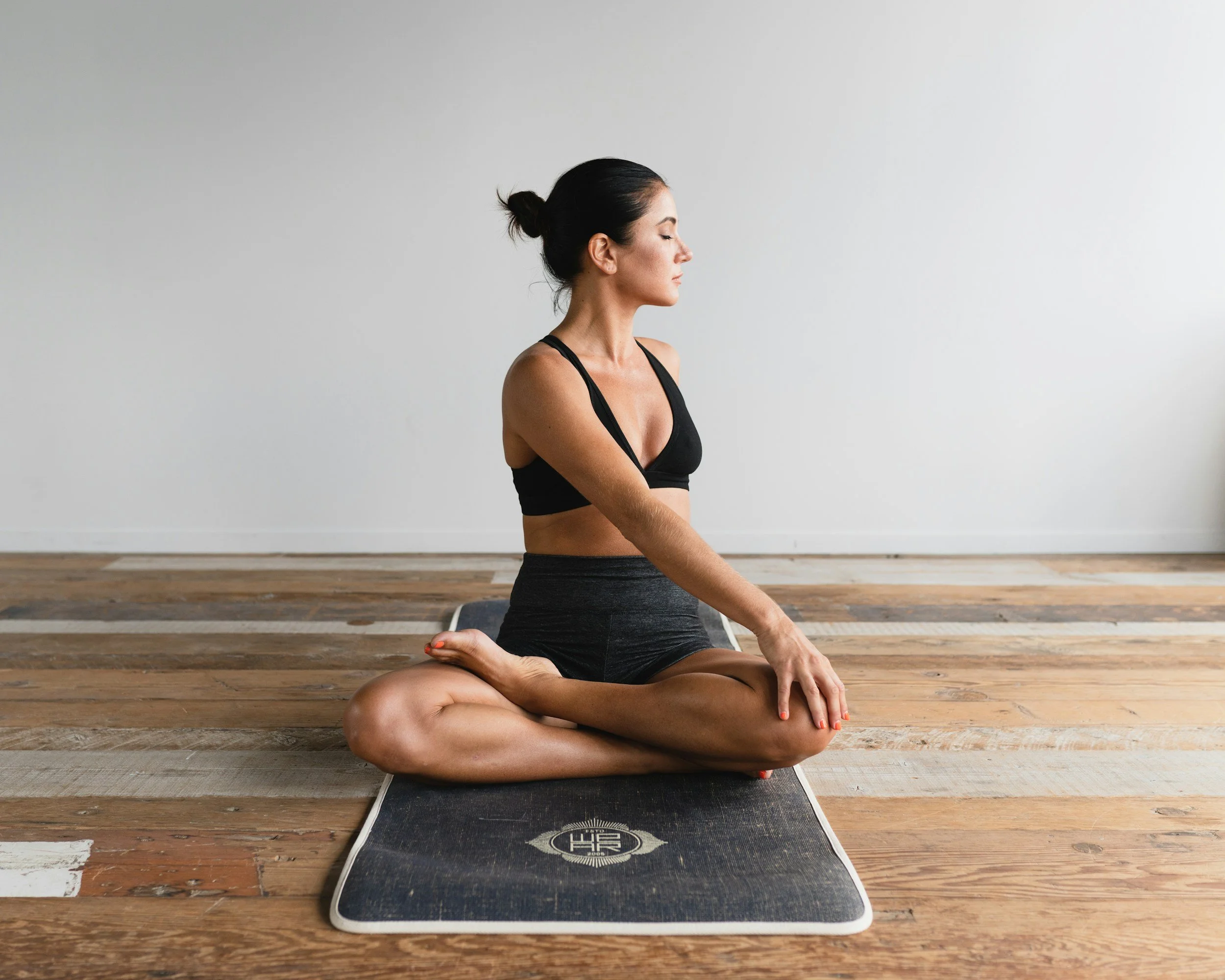
There comes a time in many women's lives when the body begins asking for something different. Movements that once felt effortless may become uncomfortable. Sleep may no longer leave us feeling rested, joints may seem less forgiving, and the pace we've maintained for years can begin to feel unsustainable. During menopause, these changes can be especially noticeable. Yet so much of what we're taught about physical wellness continues to revolve around pushing harder, doing more, and measuring progress by how much we can accomplish.
I've come to believe that there is another way to approach movement, one that begins not with what we expect our bodies to do, but with what our bodies are telling us they need.
My relationship with therapeutic yoga grew out of my own experiences with chronic pain, stress, fatigue, and the physical changes that accompanied more than three decades of living with menopause. I know what it feels like to want to move comfortably and confidently while living in a body that doesn't always cooperate. I also know how easy it is to become frustrated with ourselves when our abilities don't match our expectations.
What I eventually discovered through Yin and Restorative Yoga was something I hadn't found in more demanding approaches to movement. I discovered that slowing down could be productive, that support could create freedom, and that stillness could offer something just as valuable as activity. These experiences became part of the inspiration for Yin Zen™ Therapeutic Yoga, my approach to bringing gentle movement, restorative practices, somatic awareness, and therapeutic sound together.
Yin Zen™ draws from two complementary traditions. Yin Yoga generally involves holding accessible postures for longer periods while allowing the body to settle into a comfortable degree of sensation. Restorative Yoga emphasizes support, using bolsters, blankets, cushions, and other props to reduce unnecessary muscular effort and encourage rest. When thoughtfully combined, these practices offer opportunities to explore mobility, body awareness, and relaxation without turning every session into another physical challenge.
The distinction is especially important for women navigating menopause. Hormonal changes can influence sleep, body composition, muscle function, and the experience of joint discomfort. Some women are also managing osteopenia, osteoporosis, arthritis, chronic pain, or other conditions that require greater attention to how movement is approached. For these women, deeper stretching is not necessarily better. A position that feels beneficial to one person may be inappropriate for another, and a posture that feels comfortable today may need modification tomorrow.
This is why Yin Zen™ places such importance on individualization. We are not trying to force every body into the same shape. We are exploring how movement can support everyday function, physical confidence, and a more comfortable relationship with the body. Functional movement is not simply about flexibility. It is about maintaining the ability to participate in daily life, whether that means getting up from a chair, reaching into a cupboard, walking comfortably, or moving through familiar activities with greater ease.
I also believe that restoration deserves a more prominent place in women's wellness. Many of us have spent decades caring for families, building careers, managing responsibilities, and responding to the needs of others. We become remarkably skilled at continuing even when we're exhausted. Eventually, that constant effort can make it difficult to recognize what genuine rest feels like.
Restorative Yoga offers an opportunity to experience a different relationship with effort. When the body is comfortably supported, there is less need to hold ourselves in position. Breath can become easier, muscular tension may soften, and attention can turn inward without the pressure to accomplish something. For women who have spent years operating in a state of constant responsibility, learning to rest intentionally can be a meaningful practice in itself.
Another important element of Yin Zen™ is therapeutic sound. In my signature 90-minute sessions, approximately 60 minutes are devoted to individualized Yin and Restorative Yoga, followed by a dedicated 20-minute immersive sound experience and 10 minutes for gentle reorientation and closing. I prefer this approach because it allows the movement portion of the practice to unfold without constant interruption, while giving the closing sound experience its own space for stillness and integration.
Crystal singing bowls, chimes, and other gentle instruments can create an atmosphere that many participants find calming. The experience is always adapted to individual comfort, particularly for women with sound sensitivities, tinnitus, migraines, or other sensory concerns. The intention is not to overwhelm the senses but to create an environment in which rest feels accessible.
Of course, Yin Zen™ is not intended to replace the other forms of movement that support healthy aging. Strength training, walking, balance activities, and appropriate weight-bearing exercise remain essential considerations during and after menopause, particularly for maintaining muscle and bone health. I see Yin Zen™ as a complementary practice, one that supports the restorative side of a balanced movement routine.
Perhaps the most meaningful lesson I've learned through therapeutic yoga is that our bodies deserve cooperation rather than confrontation. Menopause may change how we experience movement, but it does not mean we must abandon the possibility of feeling capable, comfortable, and connected to ourselves.
Sometimes progress means becoming stronger. Sometimes it means moving more freely. And sometimes it means discovering that we can finally rest without feeling guilty about it.
At Bella Zen, I believe all three are worth cultivating.
If you're looking for a gentler, more individualized approach to movement and restoration, I invite you to explore Yin Zen™ Therapeutic Yoga and discover what it might mean to begin working with your body rather than against it.
