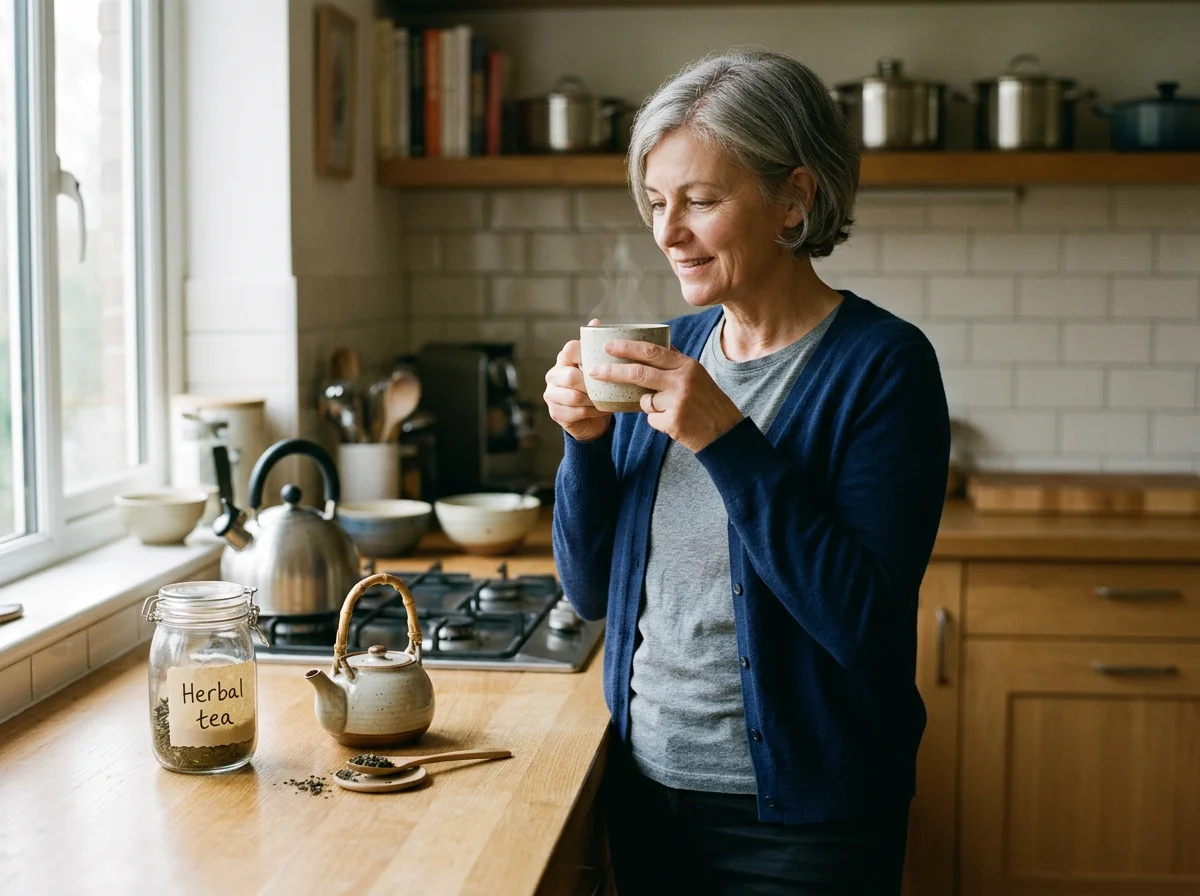
The Menopause Herbarium
For generations, women have turned to the plant world for nourishment, comfort, and support through life's changing seasons.
The Menopause Herbarium is a growing collection of medicinal plant profiles, traditional herbal preparations, botanical research, and practical herbal wisdom devoted to women's well-being through perimenopause, menopause, and beyond.
Rooted in Western herbal traditions and guided by constitutional herbalism, each botanical profile explores not only how a plant has been used, but why herbalists have valued it, how it is traditionally prepared, and how it may fit within an individualized approach to wellness.
This free educational library celebrates the enduring relationship between women, medicinal plants, and the natural world.
Search by herb name, herbal action, or category here
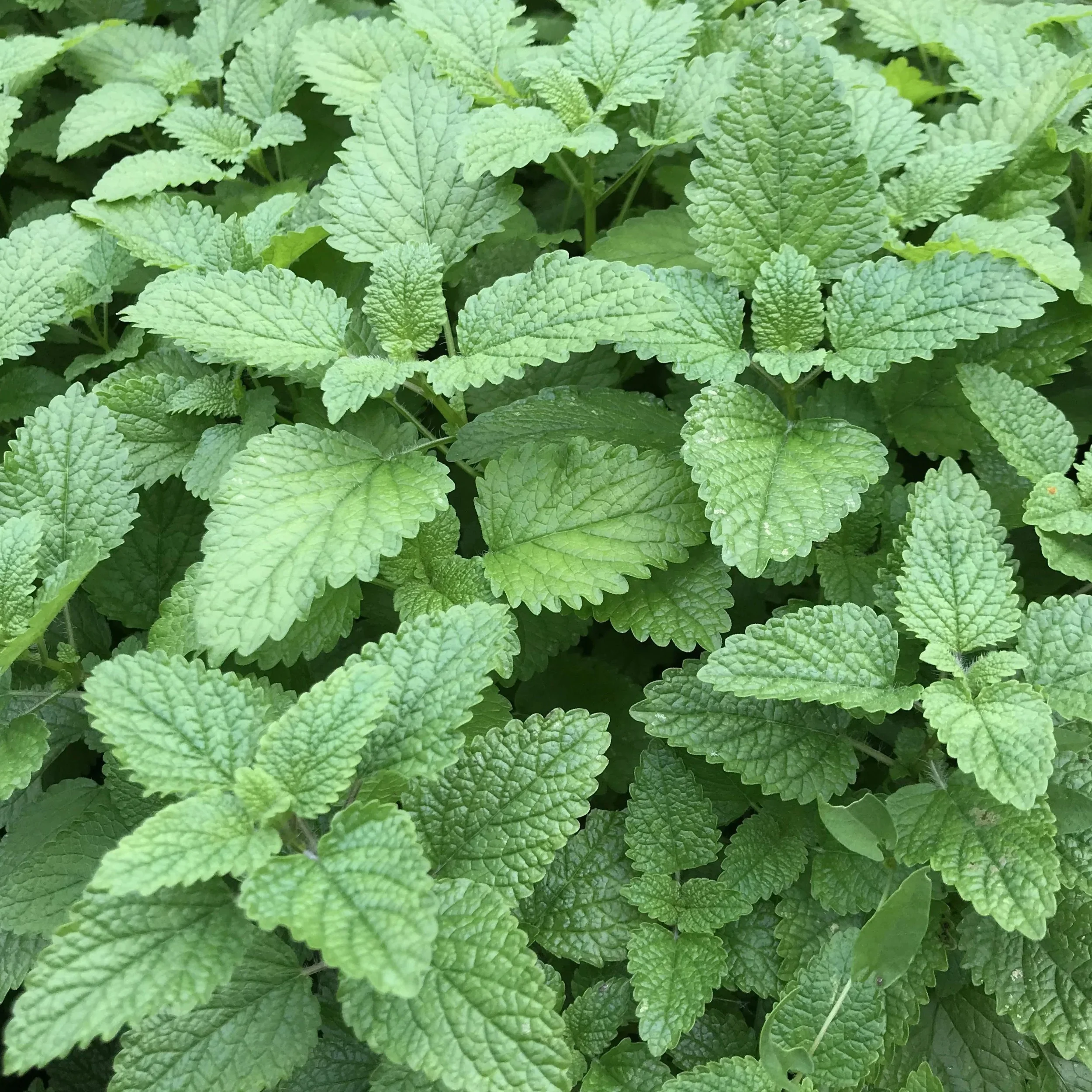
Lemon Balm (Melissa officinalis): A Gentle Herb for Rest, Digestion, and Women's Wellness
Lemon balm, botanically known as Melissa officinalis L., is a perennial herb belonging to the Lamiaceae family. Native to parts of Europe, western Asia, and the Mediterranean region, it has become widely cultivated in temperate gardens throughout the world.
Its bright green, slightly wrinkled leaves grow on square stems, a familiar characteristic of many members of the mint family. Small white to pale yellow flowers attract bees and other pollinators. The genus name Melissa comes from the Greek word for honeybee, reflecting this long-standing association.
The leaves are the primary part used in herbal medicine, although the flowering aerial parts may also be harvested. Their pleasant fragrance comes from volatile constituents, including citral-related compounds and citronellal, whose proportions vary according to the plant and growing conditions.
Fresh lemon balm is wonderfully aromatic, but its fragrance can diminish during drying and storage. For this reason, careful harvesting, gentle drying, and protection from heat, light, and moisture are important when preparing it for herbal use.
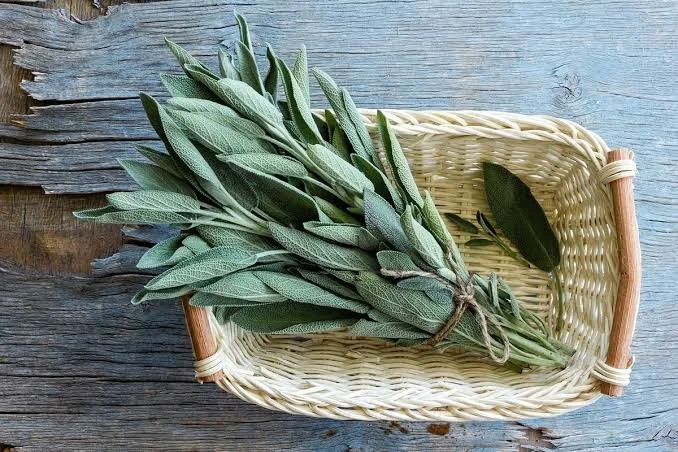
Sage (Salvia officinalis): A Traditional Herb for Women's Wellness
For women navigating menopause, sage is especially interesting because of its traditional association with excessive perspiration, including the troublesome night sweats and episodes of heat that can accompany hormonal changes. But to appreciate sage fully, we need to look beyond its reputation as an herb for hot flashes and explore the plant itself, its traditional actions, its energetic qualities, and the ways herbalists have understood its place in individualized care.
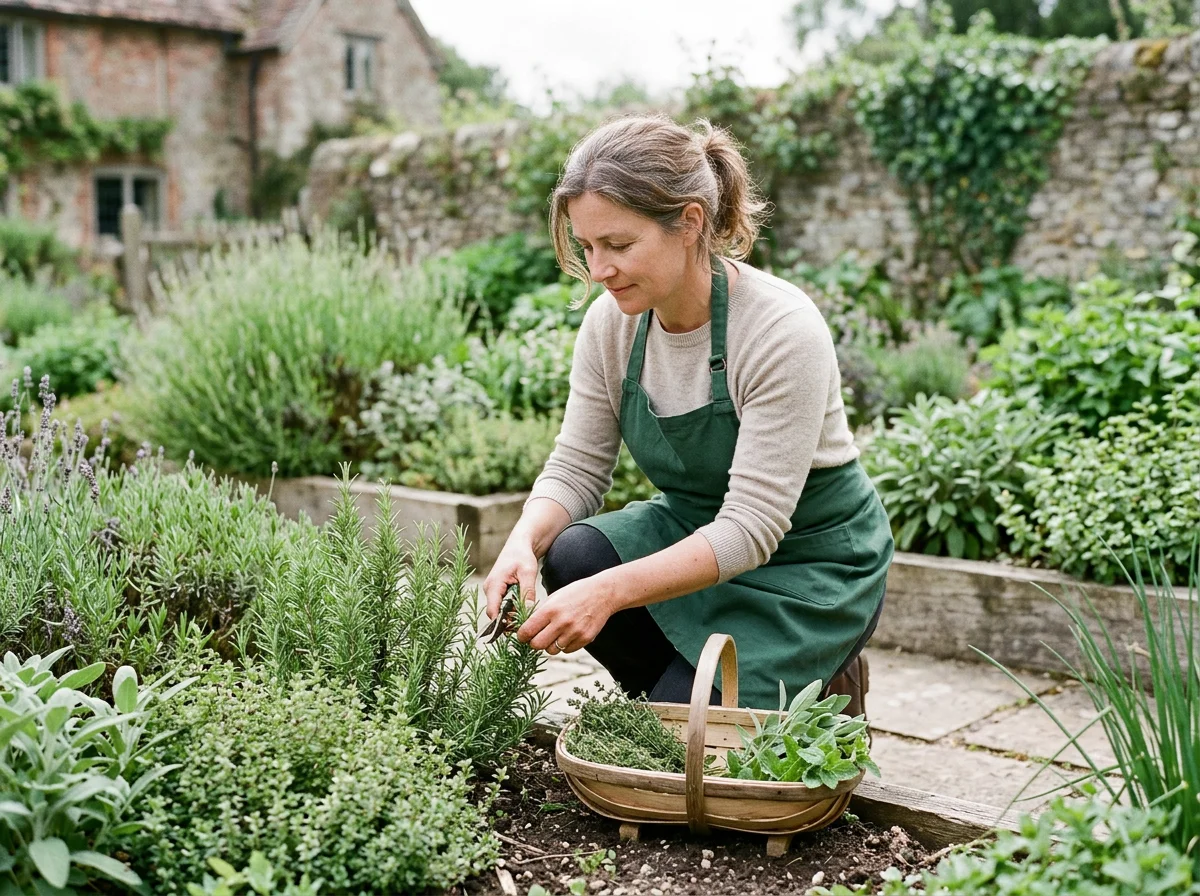
Welcome to the Menopause Herbarium: Rediscovering the Wisdom of Traditional Herbal Medicine
For centuries, medicinal plants have been woven into the ordinary lives of families and communities. They were grown in kitchen gardens, gathered from meadows and woodlands, dried for winter, and prepared as teas, tinctures, oils, and salves. Knowledge was shared through generations of herbalists, physicians, midwives, gardeners, and household practitioners who observed plants and recorded their experiences.
I find this heritage endlessly fascinating, not because I believe everything practiced in the past was necessarily correct, but because it represents generations of careful observation, experimentation, and accumulated botanical knowledge. Traditional herbalism gives us a rich foundation for learning about plants, while contemporary research provides additional opportunities to investigate their constituents, physiological effects, and safety.
The Menopause Herbarium is my way of bringing these worlds together.